With the advent of commercially-available AI products, and a near-unprecedented amount of hype surrounding automation and efficiency, new markets have opened up for consultants and facilitators to direct businesses in how best to use ai to improve their processes and take advantage of the opportunities it provides.
Snaic was created to fill that space – part business consultancy and part solutions provider. They analyse existing business and identify areas where ai could improve their workflow, then combine existing tools in a bespoke UI which is deployed for clients to use with minimal training and maximum impact.
LOGO, TYPE TREATMENT
Snaic’s previous logo was a bit of a swing and a miss. But they didn’t want to move away from it completely, and wanted a simple typographic wordmark – “not something that looks like it’s from a videogame”. The emphasis in the original logo was moved from it’s previous questionable position to the obvious spot, and a headline treatment was developed to echo the new logotype.
Aptos was chosen as a brand font to fulfil the client’s requirement for a font which would be immediately available to use for all their employees. It’s stylistic range across the sans and mono versions also works beautifully here.
WEBSITE
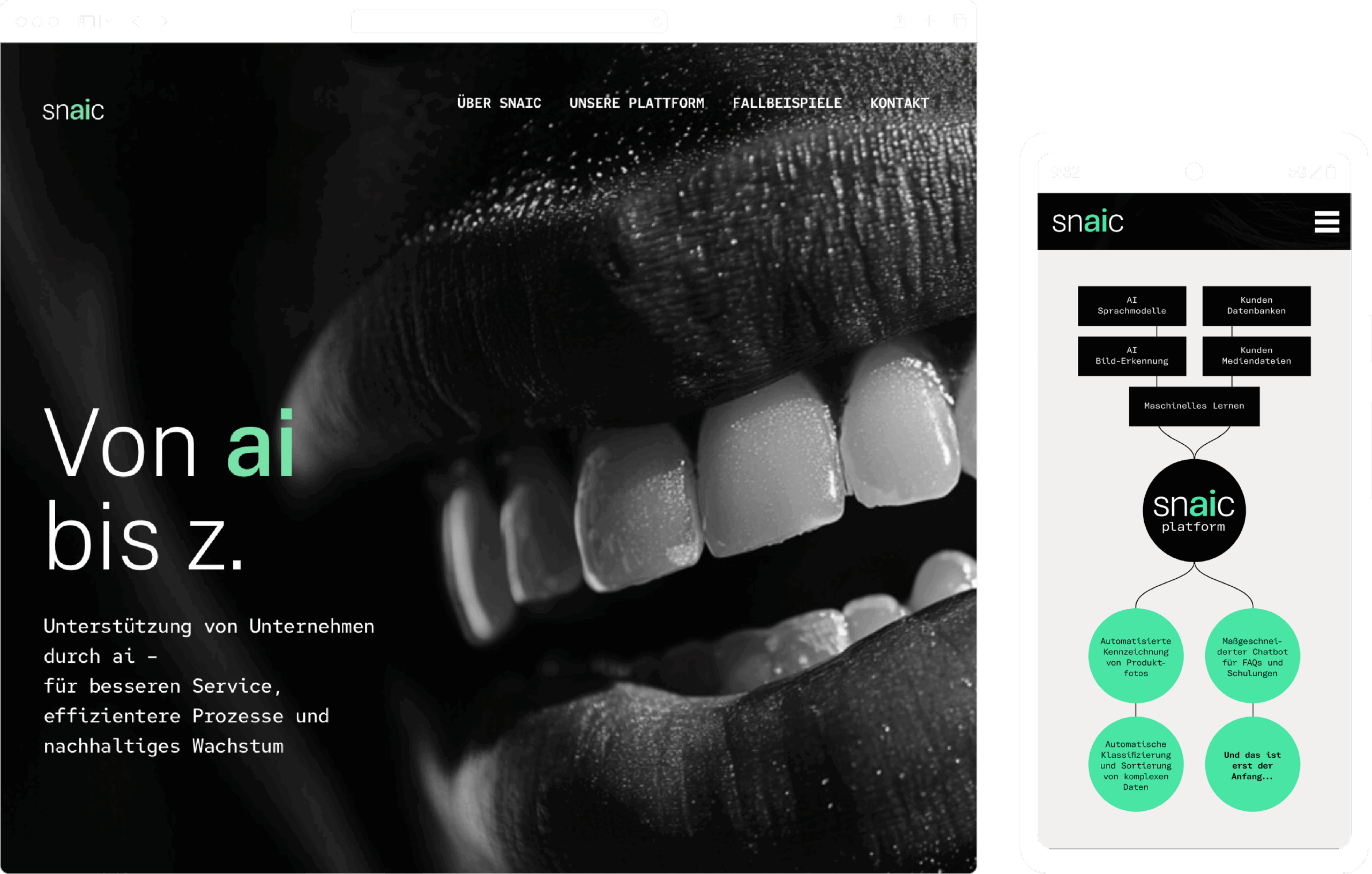
At the beginning of the Snaic project, a key issue was the lack of an effective “elevator pitch” to explain their product. After reading through some very dense presentations and technical documents, we were able to drill down to the core benefits and features, and communicate these clearly with a simple website and illustrative graphics.
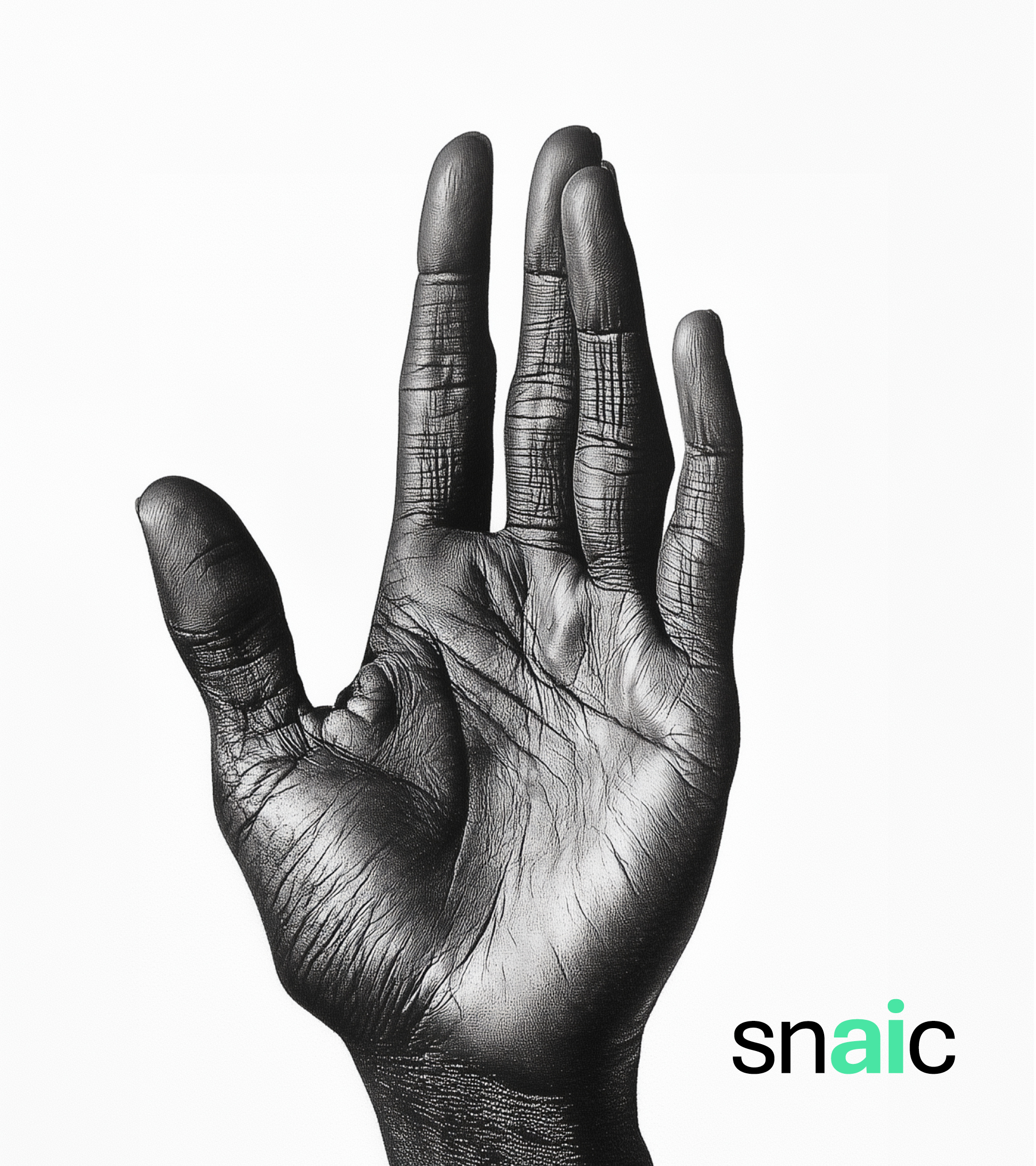
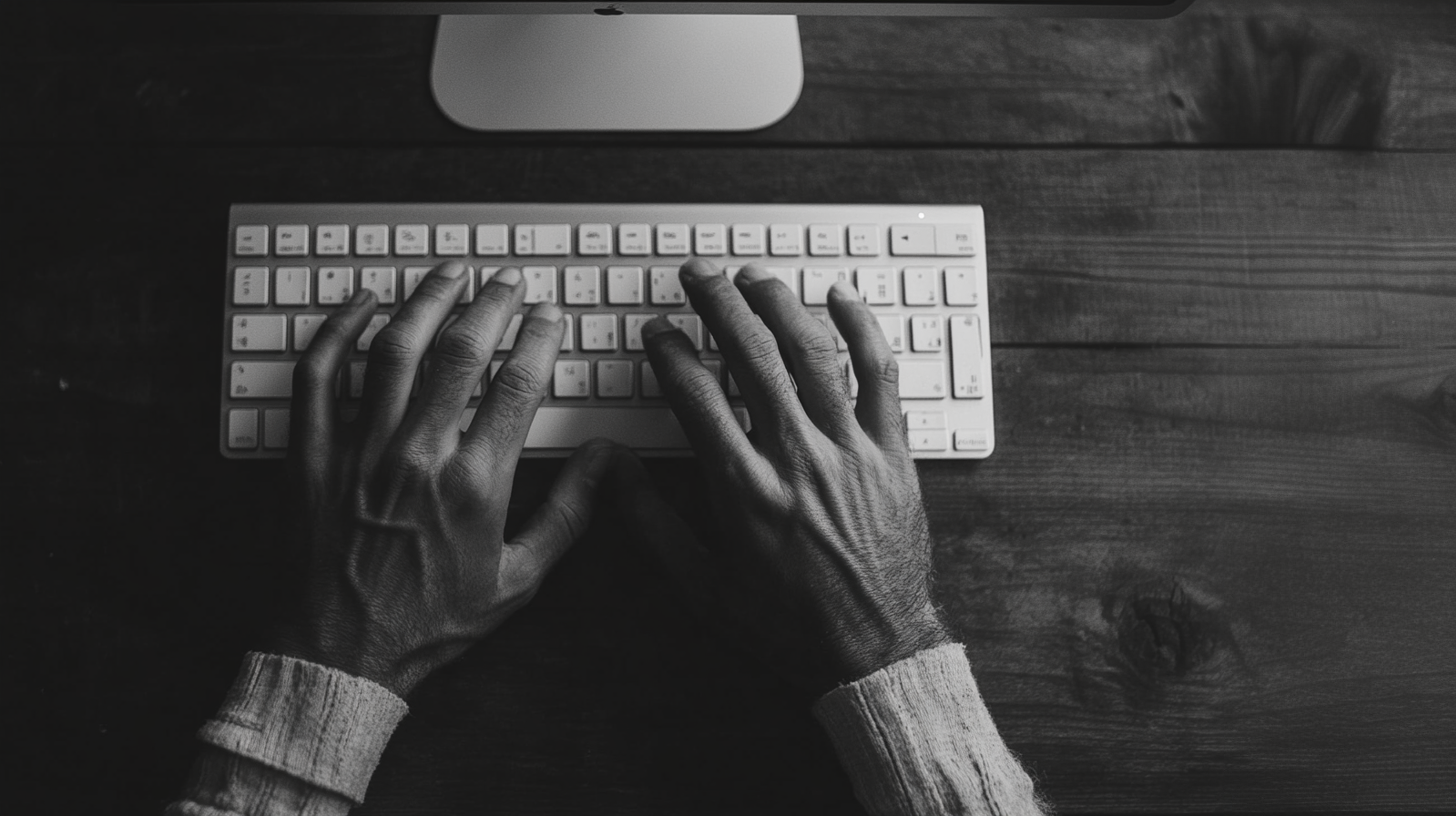
Snaic requested that all imagery for their brand be created using AI – a thematically appropriate choice, but open to issues. The last thing any brand needs is the association with lazy AI slop as part of their appearance.
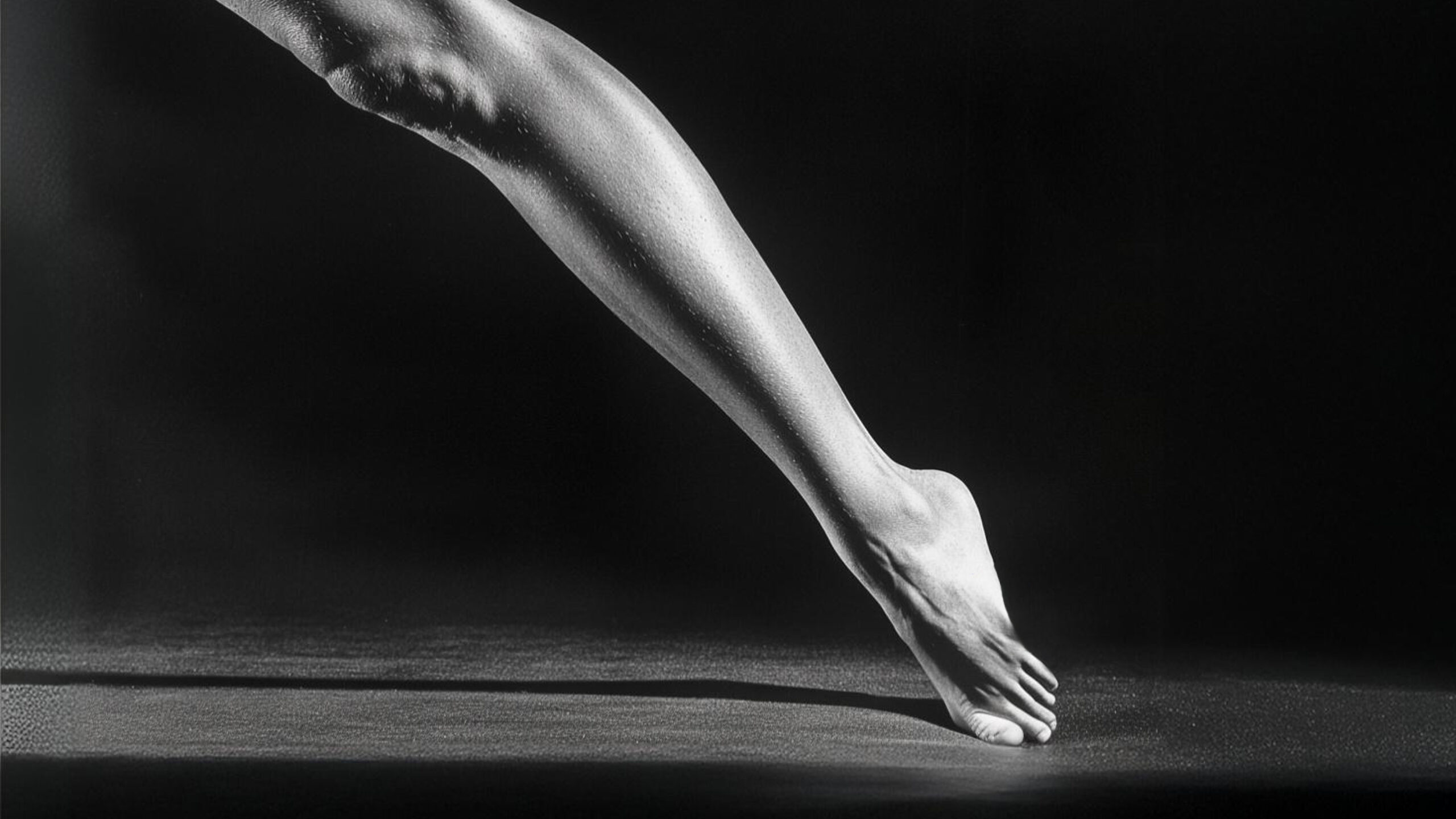
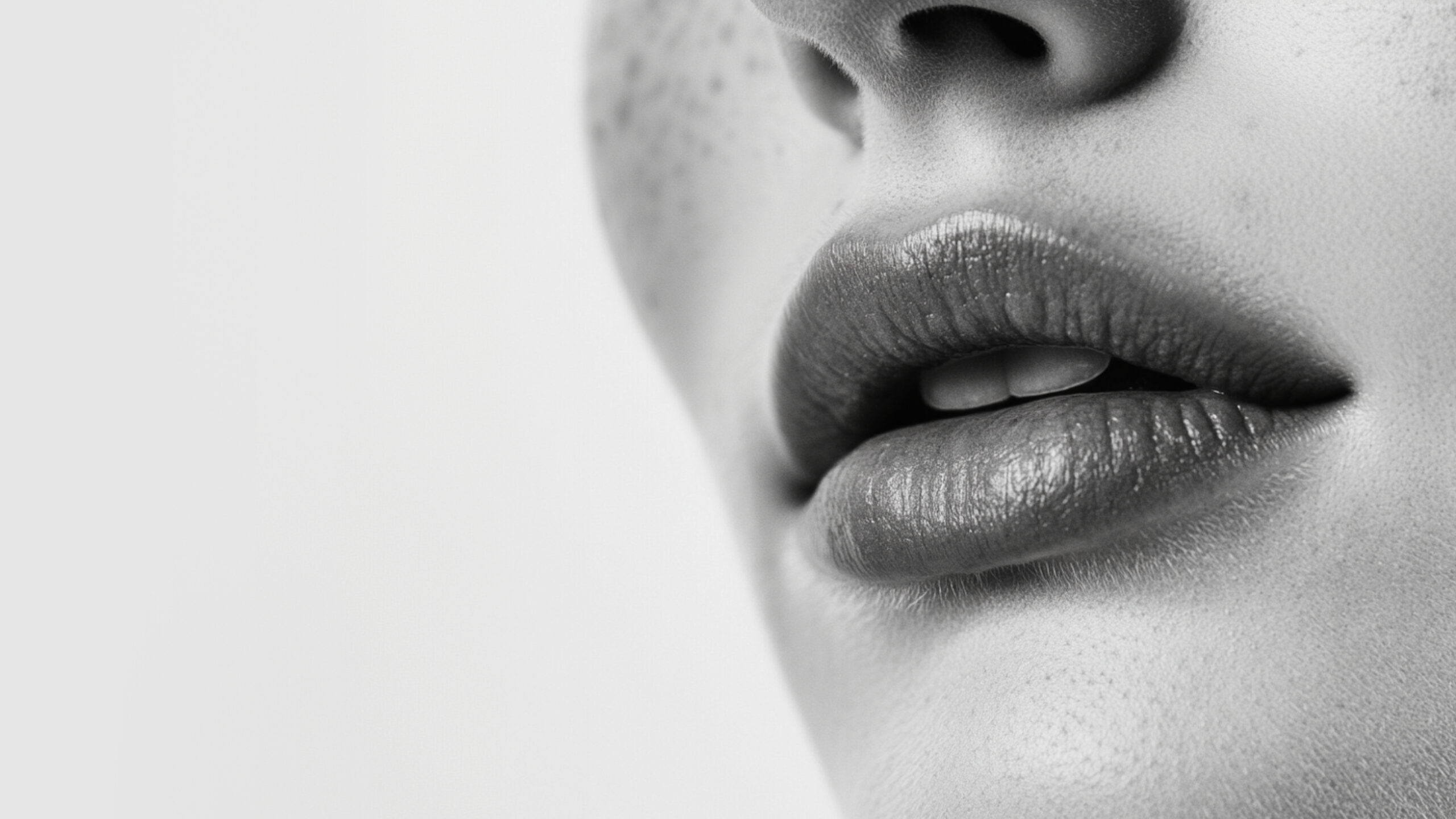
With this in mind, a ‘photography’ style was created which focusses on grounded, human figures shown in hyper-realistic detail – to keep the brand from falling into the common artificial or surrealistic look that AI often creates. The final images were created initially in Midjourney, with additional post-processing and editing done in Photoshop